
Experience #47: Sala Kaew Ku Sculpture Park (Nong Khai)
Sculpture park in Nong Khai featuring 50+ modern sculptures set in natural landscapes. A unique cultural experience.
Concrete Dreams: A Guide to Sala Kaew Ku and Sustainable Cultural Tourism in Nong Khai
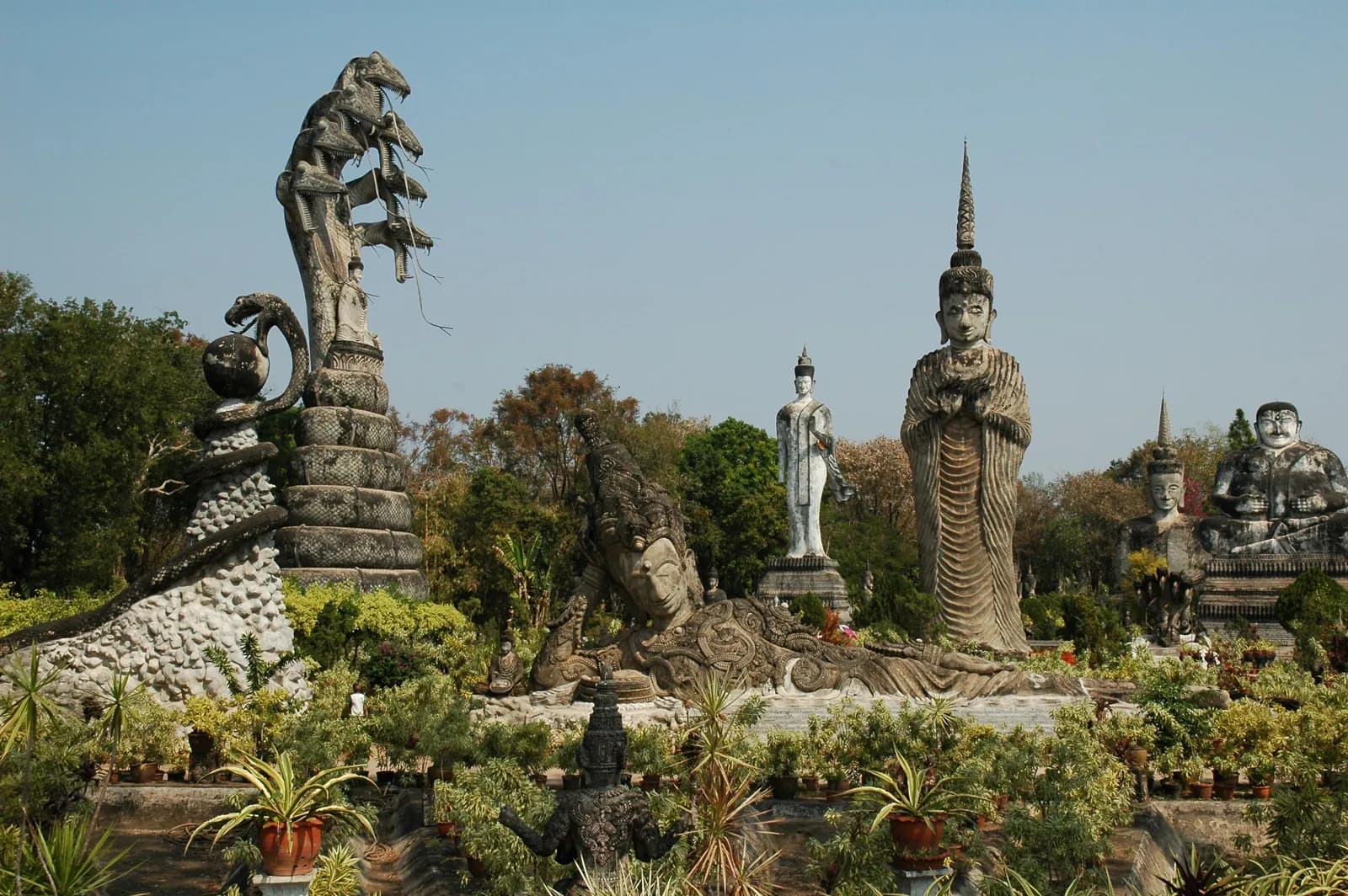
Located just outside the city of Nong Khai on the banks of the Mekong River, Sala Kaew Ku is a mystical garden of giant concrete statues that blend Buddhist and Hindu mythology. Built by the eccentric mystic Bunleua Sulilat in 1978, this sculpture park is a unique cultural landmark that reflects the spiritual heritage of the Northeast. Engaging with sustainable cultural tourism in Nong Khai through Sala Kaew Ku is an act of supporting the “Circular Economy” of intangible heritage and ensuring that the unique “Soft Power” of Thailand’s spiritual creativity continues to inspire travelers from around the world.
I remember my first walk through the “Wheel of Life” section at Sala Kaew Ku. The scale of the statues is overwhelming—some rising over 25 meters—depicting everything from the seven-headed Naga to the life cycles of human existence. Bunleua’s vision was to create a “university of spirits” where anyone could learn the lessons of karma through art. In my decade of reporting on Southeast Asian heritage, Sala Kaew Ku remains the most visually arresting example of how a single person’s spiritual journey can become a cornerstone for community pride and sustainable development.
Why Nong Khai Should Be on Your List Right Now
As Thailand moves toward its 2026 goals under the Thailand Tourism Next framework, Nong Khai has been designated as a flagship for “Fascinating Experiences” and the “Night Economy”. The city is successfully rebranding from a border transit hub into a destination for high-value cultural depth and riverine wellness.
Sala Kaew Ku is the lighthouse for this movement. Under the national “7 Greens” standard, it has become a benchmark for “Green Learning” and “Green Community”. By visiting now, you are participating in a model that ensures tourism revenue is channeled into the preservation of these fragile concrete giants and the training of local youth guides who narrate the park’s complex philosophy. This is “Value over Volume” at its most profound—proving that even modern art can be a powerful driver for sustainable prosperity.
Best Time to Visit & Practical Planning Tips
- When to Go: The park is open year-round, but the best time for sustainable travel in Nong Khai is from November to February. The weather is cool, making the walk through the gardens a “Must Seek” pleasure.
- Avoiding the Crowds: Weekday mornings (before 10:30 AM) are the quietest. For a truly magical atmosphere, visit during the annual Loy Krathong festival in November.
- Getting There: The park is about 15 minutes from Nong Khai city. For a sustainable arrival, use a bicycle or a “Skylab” (motorcycle taxi) to reduce your carbon footprint.
- Sample Daily Budgets:
Top 5 Must-Experience Highlights at Sala Kaew Ku
1. The 25-Meter Buddha and Naga
Admire the park’s centerpiece—a massive Buddha statue sheltered by a seven-headed Naga serpent. It is a “Must See” for understanding the “Soft Power” of Isan spiritual art.
2. The “Wheel of Life” Path
Walk through the circular installation that depicts the various stages of rebirth. It’s a masterclass in “Nature-Based Learning” and ancient Buddhist cosmology.
3. Bunleua’s Commemorative Shrine
Visit the building where the park’s creator is enshrined. You’ll learn about his life and the “Circular Economy” of his vision, where local villagers helped build the statues using donated materials.
4. Mekong River Skywalk (Nearby)
A short trip away is the glass skywalk at Wat Pha Tak Seua, offering panoramic views of the river. It’s a prime spot for “Forest Bathing” and quiet reflection on the shared border.
5. Traditional Gastronomy at Tha Sadet
After the park, visit the Tha Sadet Market to try the Vietnamese-influenced cuisine that defines Nong Khai. Try the Naem Nueang, a “Must Taste” example of cultural fusion.
Detailed 1-Day “Mythic Journey” Itinerary
- 09:00 AM: Arrive at Sala Kaew Ku; welcome briefing on the park’s history.
- 09:30 AM: Full 2-hour guided tour of the sculpture garden and “Wheel of Life.”
- 12:30 PM: “Sustainable Gastronomy” lunch at a nearby riverside café—try the Mekong Fish Spicy Salad.
- 02:30 PM: Visit the Tha Sadet Market to see local community handicrafts.
- 04:30 PM: Community Voting: Use the Tour in Thailand app to vote for the next heritage restoration or youth guide project.
- Cost: ~1,200 THB.
Where to Stay: Best Eco-Friendly & Authentic Accommodations
- Authentic Choice: Nong Khai Riverside Guesthouses: Stay in a traditional wooden house overlooking the Mekong. Your stay supports local hospitality training and ensures 100% economic retention.
- Mid-Range: Mut Mee Garden Guest House: A long-standing favorite for ethical travelers, focusing on local engagement and low-impact operations.
- Sustainable Luxury: Vana Som Resort: A “Green Leaf” certified resort that prioritizes organic sourcing and zero-waste dining.
Sustainable & Responsible Travel Tips
- Respect the Spirit: This is a sacred site to many locals. Keep your voice low and avoid climbing on the statues.
- No Plastic, No Exceptions: Nong Khai is a “Zero Waste City” pilot. Carry a reusable bottle; the park provides filtered water refills.
- Support local makers: Buy a handmade souvenir from the market near the park entrance to ensure your tourism dollars stay in the neighborhood.
- Support the Fund: A portion of your tour booking goes to the Thailand Environmental Fund to support the “Save the Giants” restoration project.
FAQ
Are the statues old?
The statues were built between 1978 and 1996, making them relatively modern additions to the region’s cultural landscape. Can I visit the twin park in Laos? Yes! Bunleua built a sister park (Buddha Park/Xieng Khuan) across the river in Vientiane. You can visit both as part of a trans-boundary sustainable tour. How much is the entry fee? The entry fee is 20-40 THB, which contributes directly to the park’s maintenance and community projects.
Conclusion: A Vision Beyond the Border
Choosing to visit Sala Kaew Ku is an act of supporting a Nong Khai that is as spiritually rich as it is naturally beautiful. It is a way to say that the value of art isn’t in its age, but in its ability to connect us with the spirit. By walking through these concrete dreams, you aren’t just a visitor; you are a partner in the preservation of Thailand’s creative heritage. You’ll leave the garden not just with photos, but with a deeper understanding of the “Value over Volume” movement that is making the “Land of Smiles” a better home for everyone.
Ready to walk the mythic path? Book your Sala Kaew Ku experience today and cast your vote for local cultural preservation!