
Experience #40: Pran Buri Estuary Biodiversity Project
The Pulse of the Delta: A Guide to the Pran Buri Estuary and Biodiversity-Based Tourism Located in the Prachuap Khiri Khan province, the Pran Buri Estuary is a critical transition zone where the river meets the sea. Supported by the UNDP and the Tour in Thailand project, this area has become a pioneer for “Mainstreaming […]
The Pulse of the Delta: A Guide to the Pran Buri Estuary and Biodiversity-Based Tourism
Located in the Prachuap Khiri Khan province, the Pran Buri Estuary is a critical transition zone where the river meets the sea. Supported by the UNDP and the Tour in Thailand project, this area has become a pioneer for “Mainstreaming Biodiversity into Tourism Planning” . This unique project focuses on protecting the critical habitat of migratory birds and rare mangroves while providing high-value, low-impact learning experiences for visitors. Engaging with biodiversity-based tourism in Pran Buri is an act of supporting the “Circular Economy” of the delta and ensuring that the “Soft Power” of Thailand’s ecological resilience continues to inspire global conservation models.
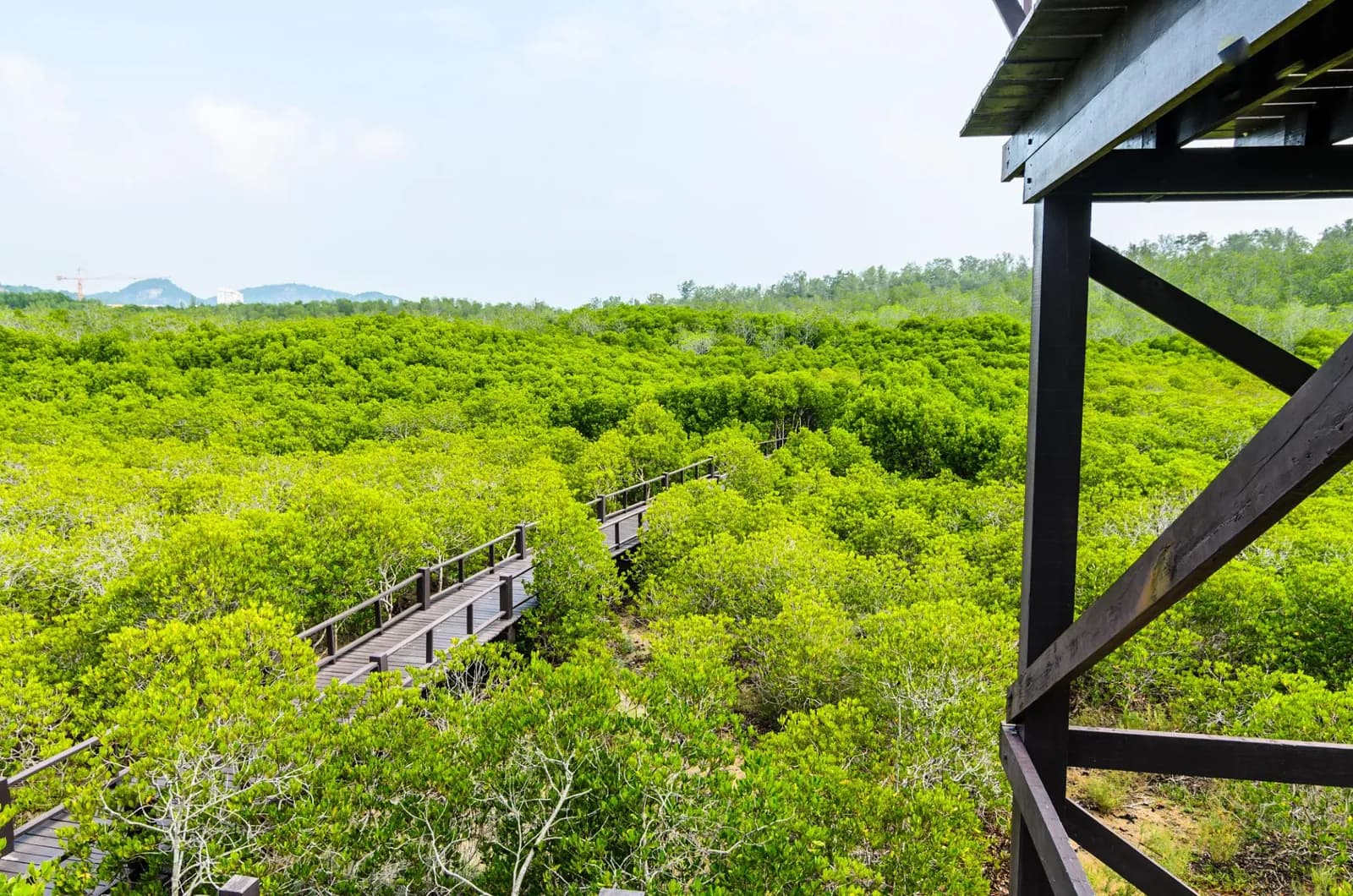
I remember my first walk through the Pran Buri Forest Park at sunset. The wooden boardwalk snakes through a 1,000-year-old mangrove forest, where the roots look like the fingers of a sleeping giant. A local biologist, Khun Somchai, shared the success of the UNDP pilot: “We didn’t just build a park; we built a nursery for the Gulf,” he told me, pointing to the juvenile fish swimming in the brackish water. “If the estuary is healthy, the ocean is healthy.” In fifteen years of reporting on biodiversity, Pran Buri remains the most scientifically grounded example of “Nature-Based Innovation”—a place where the boundary between “tourism” and “conservation” has completely dissolved .
Why Biodiversity-Based Tourism Should Be on Your List Right Now
As Thailand moves toward its 2026 goals under the Thailand Tourism Next framework, the focus has shifted toward “Sustainable Development Pathyways” and regional income distribution. The goal is to move away from high-impact infrastructure and toward “Fascinating Experiences” where the local community acts as the guardian of the biodiversity.
Pran Buri is the lighthouse for this movement. Under the national “7 Greens” initiative, the estuary has become a benchmark for “Green Community” and “Green Learning” principles. By participating, you are supporting a model that ensures tourism revenue is channeled into conservation research and community livelihoods . This is “Value over Volume” at its most profound—proving that a healthy ecosystem is the most valuable asset a nation can possess.
Best Time to Visit & Practical Planning Tips
To witness the bird migrations and avoid the peak midday heat, strategy is essential.
- When to Go: The best time for sustainable travel in Pran Buri is from October to February. This is when thousands of migratory birds from Siberia arrive in the estuary. The “Green Season” (June to October) is when the mangroves are at their most vibrant, though you should prepare for afternoon showers.
- Logistics: Pran Buri is located about 30 minutes south of Hua Hin. Skip the taxi. Take the “Green Logistics” shared van or book an electric shuttle via the Tour in Thailand platform .
- Sample Budgets:
Top 5 Must-Experience Highlights in Pran Buri
1. The “Ancient Mangrove” Boardwalk
Walk through one of Thailand’s most mature mangrove forests on a 1-km elevated path. You’ll see the “Nature-Based Learning” stations that explain the role of the estuary in flood prevention and carbon storage .
2. Migratory Bird-Watching Safari
Join a guided boat trip during the winter months to spot rare species like the Black-tailed Godwit. It’s a “Must See” for wildlife enthusiasts and a prime example of the “Life on Land” (SDG 15) goal .
3. Biodiversity Identification Workshops
Participate in a hands-on session with local community guides trained in ecological monitoring. You’ll learn to identify the crabs, fish, and plants that call the estuary home, providing data for the national “Green Scan” system.
4. Zero-Waste “Estuary-to-Table” Lunch
Dine at a community-managed restaurant that sources 100% of its seafood from small-scale fishers who avoid the protected mangrove zones. Try the Stir-fried Sea Catfish, a “Must Taste” regional specialty .
5. Traditional Rice and Coconut Farming
Visit the nearby “Sufficiency Economy” farms to see how traditional agriculture supports the health of the estuary by avoiding harmful pesticides .
Detailed 1-Day “Biodiversity Journey” Itinerary
09:30 AM: Arrive at Pran Buri Forest Park; welcome drink of herbal infusion . 10:15 AM: Guided “Ancient Mangrove” boardwalk tour; focus on carbon sequestration. 12:30 PM: Authentic “Zero Waste” lunch at the estuary cooperative restaurant.02:30 PM: Boat-based bird watching and water quality monitoring session. 04:30 PM: Community Voting: Use the Tour in Thailand app to vote for the next youth guide training or habitat restoration project.Cost: ~2,800 THB.
Where to Stay: Best Eco-Friendly & Authentic Accommodations
- Luxury: Varana Hotel Krabi (Partner Hub): While in the south, they partner with Pran Buri for inclusive eco-tours that emphasize “Healing as the New Luxury” .
- Mid-Range: Aleenta Hua Hin – Pranburi: A boutique resort that prioritizes organic farming and zero-waste dining, and is a leader in local community engagement .
- Budget: Nong Yai Homestay (Regional Link): Stay in a community-run lodge that focuses on the “Sufficiency Economy Philosophy” and local hospitality training .
Food & Local Cuisine Guide: Tasting the Biodiversity
In the Pran Buri estuary, food is a form of environmental stewardship.
- Must-Try Dish: Gaeng Som with local mangrove crabs and seasonal vegetables. Look for the “Thailand Good Travel” mark, which certifies sustainable sourcing.
- The “Must Taste” Drink: Fresh lemongrass and honey tea, served in a reusable bamboo cup .
- Etiquette: When dining in local villages, always use the designated recycling bins and avoid ordering any species on the marine “Red List” .
Sustainable & Responsible Travel Tips
- Stay on the Path: To protect the rare plants and prevent soil compaction, never step off the wooden boardwalks.
- No Plastic, No Exceptions: Thailand has banned single-use plastics in all forest parks. Carry a reusable bottle; the park center provides filtered water refills.
- Mind the Wildlife: When on the boat safari, keep your voice low and avoid using flash photography to protect the birds and monkeys.
- Support the Fund: A portion of your tour booking through the platform goes to the Thailand Environmental Fund. Don’t forget to vote for local estuary restoration projects.
Packing List & What to Know Before You Go
- Light, Breathable Clothing: The estuary can be very humid, so wear cotton or linen.
- Sun & Bug Protection: Reef-safe sunscreen and natural citronella-based insect repellent are essential.
- Binoculars: Essential for spotting the rare migratory birds in the canopy .
- Connectivity: Download the Tour in Thailand app to access the AI-powered “Bird Identification” guide.
Frequently Asked Questions (FAQ)
Is the Pran Buri Estuary safe for children?
Absolutely! The flat wooden boardwalks and boat safaris make it one of the best family destinations in the province for “Nature-Based Learning.”
How many bird species can I see?
The estuary is home to over 100 rare and endangered bird species, especially during the winter migration season .
How do I know my visit is truly sustainable?
Pran Buri is a UNDP-supported pilot project for biodiversity tourism. Your booking through our platform provides full financial transparency and measurable impact .
Conclusion: Reclaiming the Soul of the Delta
Choosing a Pran Buri biodiversity tour is an act of supporting a delta that is trying to find its balance. It is a way to say that the value of an estuary isn’t in its development, but in its life and its resilience. By walking the “Ancient Mangrove” trail, you aren’t just a visitor; you are a partner in the preservation of Thailand’s maritime identity. You’ll leave the park not just with photos of hornbills, but with the peace of mind that comes from knowing your journey helped keep the “Pulse of the Delta” beating for generations to come.
Ready to reconnect with nature? Book your Pran Buri experience today and cast your vote for biodiversity!