
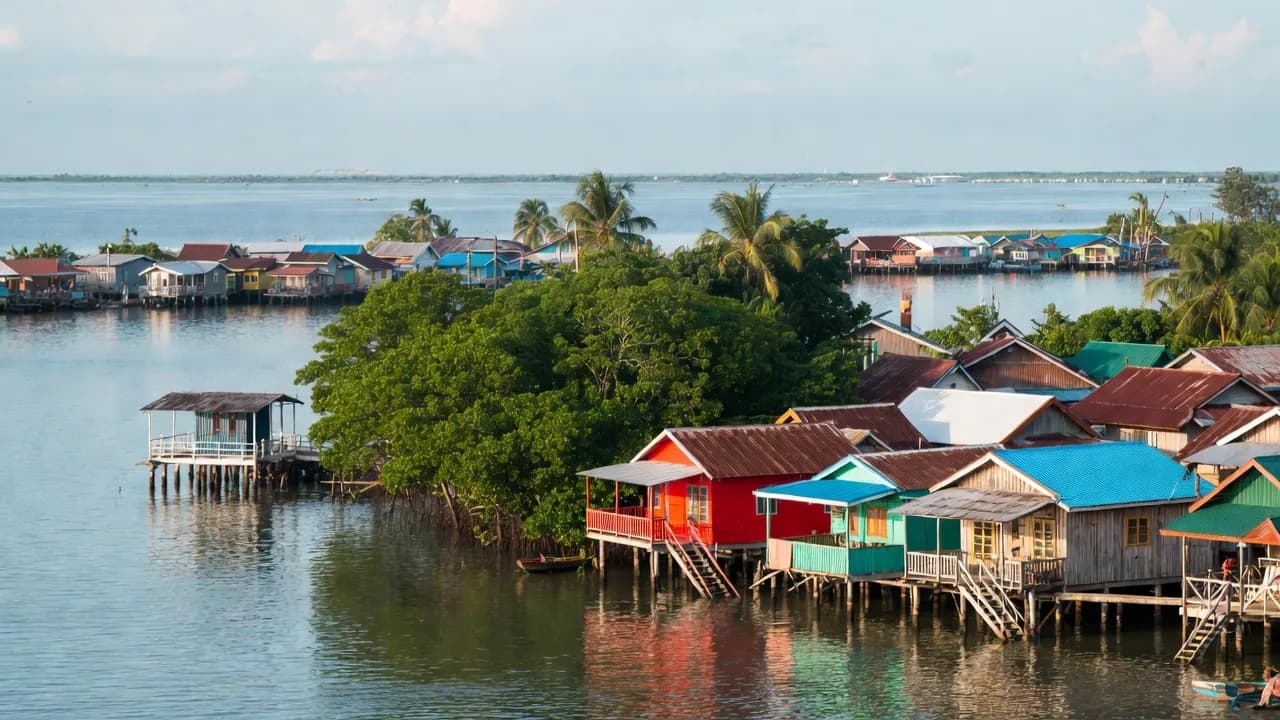
Experience #34: Ban Bang Rong Community (Phuket)
The Hidden Pearl: A Guide to Ban Bang Rong and Community Based Tourism in Phuket Nestled on the quiet northeast coast of Phuket, far from the neon lights of Patong, lies Ban Bang Rong—a peaceful village surrounded by ancient mangroves and lush pineapple plantations. Predominantly inhabited by a Muslim community that has lived here for […]
The Hidden Pearl: A Guide to Ban Bang Rong and Community Based Tourism in Phuket
Nestled on the quiet northeast coast of Phuket, far from the neon lights of Patong, lies Ban Bang Rong—a peaceful village surrounded by ancient mangroves and lush pineapple plantations. Predominantly inhabited by a Muslim community that has lived here for generations, this village offers a “Perfect Stranger” journey into the true lifestyle of the island. Activities include pineapple harvesting, rubber tree tapping, and the unique experience of catching mini octopus (“Voy Vai”) by hand. As a premier example of community based tourism in Phuket, Ban Bang Rong proves that the island’s real wealth isn’t found in its resorts, but in its soil and its soul.
I remember my morning in the Bang Rong mangrove forest. As the tide receded, my guide, Khun Prasert, showed me how to spot the breathing tubes of the “Voy Vai” octopus in the mud. “In Phuket, people think the sea is for swimming,” he said with a smile. “In Bang Rong, the sea is our pantry.” In fifteen years of reporting on rural Phuket, I’ve found that few places illustrate the “Circular Economy” as vividly as this community, where discarded pineapple shells are transformed into high-quality fabric and organic cosmetics.
Why Community Based Tourism in Phuket Should Be on Your List Right Now
Phuket is currently undergoing a massive transformation under the Thailand Tourism Next 2026 strategy. The goal is to move beyond the “James Bond Island” narrative and toward “Fascinating Experiences” that support regional income distribution.
Ban Bang Rong is the lighthouse for this movement. Recognized with the Kinnaree Award for Outstanding Community, it serves as a model for how a village can balance tourism with agricultural preservation. By visiting now, you are participating in a model that ensures 100% of your tourism dollars stay in the community to fund local schools, hospitals, and mangrove replanting initiatives. Furthermore, every booking contributes to the Thailand Environmental Fund, supporting projects that transform ocean plastic into valuable community products.
Best Time to Visit & Practical Planning Tips
To experience the best of rural life, timing is essential.
- Weather & Seasons: The “Cool Season” (November to February) is ideal for walking the plantations. The “Green Season” (June to October) is when the pineapple harvest is at its peak and the forest is incredibly lush.
- Logistics: The village is located about 30 minutes from Phuket International Airport. For a sustainable arrival, use the “Green Logistics” shared van service or book an electric Tuk-Tuk via the Tour in Thailand platform.
- Sample Daily Budgets:
Top 10 Magnificent Moments in Ban Bang Rong
- Pineapple Harvesting: Join the farmers in the fields to pick the famous Phuket pineapple. You’ll learn how the community uses every part of the fruit—from the flesh for eating to the shells for cosmetics.
- Rubber Tree Tapping: Learn the “Lifestyle of the Southerner.” You’ll try your hand at tapping the sap and see how it is processed into rubber sheets exported worldwide.
- Catching Mini Octopus (“Voy Vai”): Walk onto the sandbanks at low tide with a local fisherman to grab these tiny octopuses by hand—a “Must Try” skill that requires patience and dexterity.
- Mangrove Kayak Exploration: Paddle through Phuket’s most abundant mangrove forest. You’ll see mudskippers, crabs, and exotic birds in their natural habitat.
- Crab Release Activity: Return “berried” female crabs back to the sea near the mangroves. This is a hands-on way to contribute to the “Life Below Water” (SDG 14) goal.
- Traditional Batik Workshop: Paint your own handbag or sarong using patterns inspired by the Bang Rong ecosystem—a perfect ethical “Must Buy” souvenir.
- Coconut Picking and Cooking: Test your mettle by climbing a coconut tree, then join a workshop to make Khanom Tom (coconut balls) using fresh ingredients.
- Halal “Market to Table” Lunch: Dine at the community’s first Halal restaurant overlooking the pier. Every ingredient is organic and sourced from the village farms.
- Baisi Sukhwan Ceremony: Participate in a traditional wrist-binding ceremony led by the village elders—a moment of deep spiritual connection and “Soft Power” tradition.
- Sunset on Koh Pae: If the tide permits, boat out to the “pop-up” island of Koh Pae to enjoy a snack of your freshly caught octopus while the sun sets over the Andaman Sea.
Detailed 1-Day “Hidden Pearl” Itinerary
- 09:30 AM: Warm welcome at the village center; signature passion fruit drink.
- 10:15 AM: Pineapple harvesting and rubber tapping demonstrations.
- 11:30 AM: Coconut picking and traditional Thai dessert cooking workshop.
- 12:30 PM: Authentic Halal lunch at the Bang Rong Pier restaurant.
- 02:00 PM: Guided boat tour through the mangroves and crab release activity.
- 03:00 PM: “Voy Vai” octopus catching on the sandbank.
- 05:00 PM: Community Voting: Use the Tour in Thailand app to vote for the next youth guide training or reforestation project.
- Cost: ~3,800 THB.
Where to Stay: Best Eco-Friendly & Authentic Accommodations
- Authentic Choice: Ban Bang Rong Homestays: Stay in a local Muslim household and experience the true “Phuket Local Living.” Your stay supports village elders and hospitality training.
- Mid-Range: Khaolak Merlin Resort (Regional Partner): While a drive away, this resort is a leader in sustainable tourism and offers direct transfers to Bang Rong.
- Luxury Choice: Varana Hotel Krabi (Strategic Partner): For those seeking high-end eco-luxury, they offer inclusive day trips to Phuket’s sustainable communities.
Food & Local Cuisine Guide: Tasting the Village
In Bang Rong, food is medicine and a way of life.
- Must-Try Dish: Gaeng Som with local mangrove crabs and Phuket pineapple—a “Must Taste” example of regional biodiversity.
- The “Must Taste” Drink: Organic passion fruit juice, grown without chemicals in the village orchards.
- Etiquette: This is a Muslim community. Alcohol and pork are strictly prohibited in the village. Dress modestly (shoulders and knees covered) to show respect for local customs.
Sustainable & Responsible Travel Tips
- Respect the Environment: Stay on the designated paths in the mangroves and plantations to prevent soil compaction and protect the rare plants.
- No Single-Use Plastics: The village is a “Green Zone.” Carry a reusable bottle; the community center provides free refills of filtered water.
- Ask Before You Snap: This is a living village, not a museum. Always ask permission before photographing residents, especially elders or children.
- Support the Fund: A portion of your booking fee goes to the Thailand Environmental Fund. Don’t forget to vote on the platform for local forest or heritage conservation.
Packing List & What to Know Before You Go
- Modest Dress: Light, breathable clothing that covers shoulders and knees.
- Sturdy Strap-on Sandals: Essential for walking in the mud during the octopus catching activity.
- Reusable Kit: A cloth bag for your DIY batik finds and a sturdy water bottle.
- Cash and QR: While PromptPay is common, small-scale boatmen and farmers prefer cash for small transactions.
FAQ
Is the octopus catching activity safe?
Yes! The octopuses are harmless, and your local guide will show you exactly how to handle them safely. It’s a messy but incredibly fun “sanuk” experience.
Is Ban Bang Rong suitable for vegetarians?
Yes. The village uses a wide variety of local vegetables and fruits. Just inform your guide of your dietary requirements during the welcome session.
How much of my money goes to the community?
Under the Tour in Thailand model, 100% of the revenue from direct bookings stays with the Ban Bang Rong community enterprise.
Conclusion: A Journey That Gives Back
Choosing to visit Ban Bang Rong is an act of supporting a Phuket that is trying to reconnect with its heritage. It is a way to say that the value of an island isn’t in its beaches alone, but in its stories and its soil. By participating in community based tourism in Phuket, you aren’t just a tourist; you are a partner in the community’s journey toward a sustainable, self-sufficient future. You’ll leave the village not just with a pineapple, but with a deeper understanding of the “Value over Volume” movement that is making the “Land of Smiles” a better home for everyone.
Ready to uncover the hidden pearl? Book your Ban Bang Rong experience today and cast your vote for local agricultural preservation!