
Experience #33: Maya Bay Ecosystem Recovery (Phi Phi)
Regenerative Beauty: A Guide to Maya Bay Ecosystem Recovery and Responsible Tourism in Phi Phi Once the victim of its own fame, Maya Bay now serves as the global gold standard for regenerative tourism. After being closed to the public for several years to allow for coral recovery, the bay has reopened with strict visitor […]
Regenerative Beauty: A Guide to Maya Bay Ecosystem Recovery and Responsible Tourism in Phi Phi
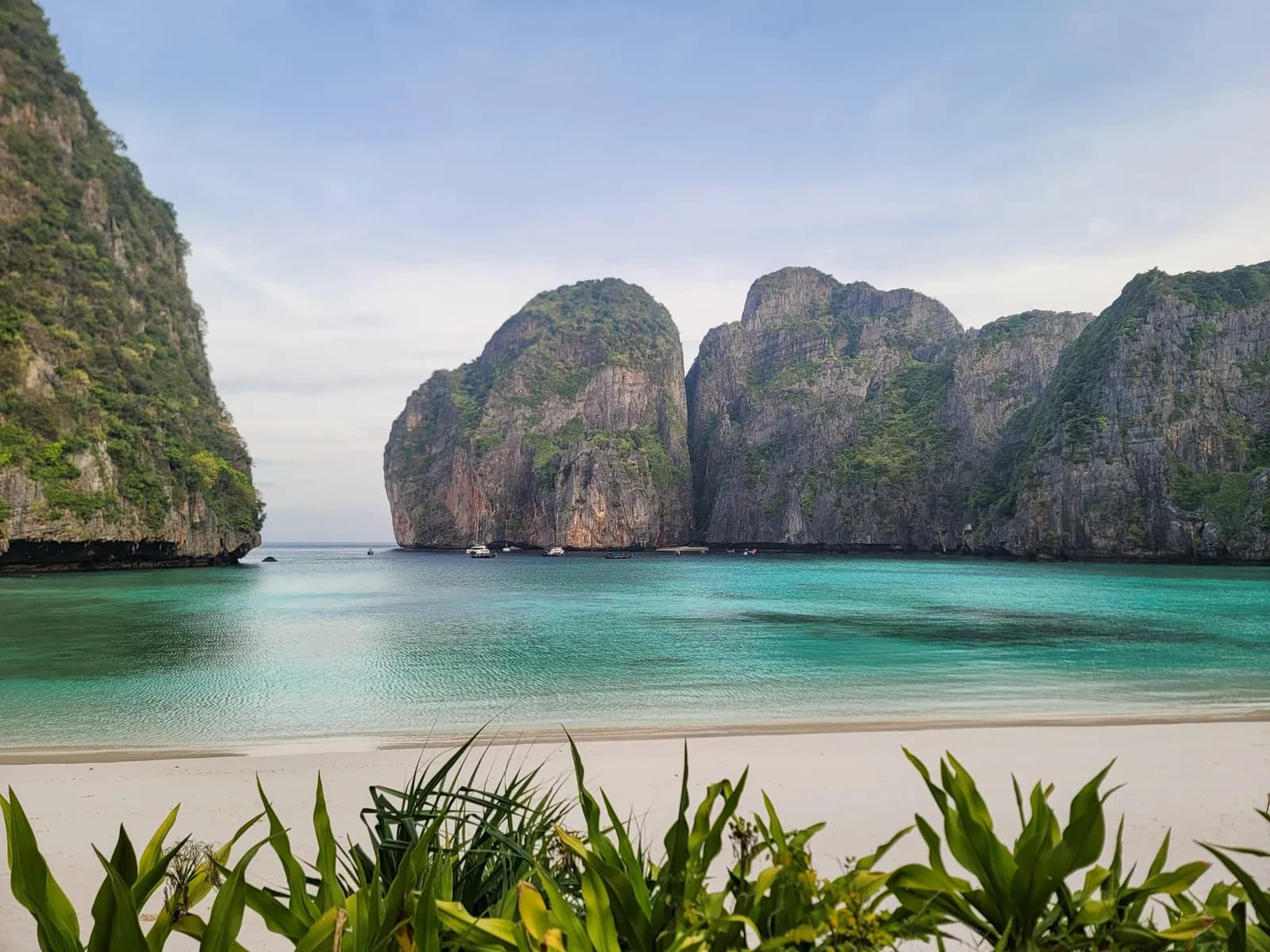
Once the victim of its own fame, Maya Bay now serves as the global gold standard for regenerative tourism. After being closed to the public for several years to allow for coral recovery, the bay has reopened with strict visitor restrictions and a absolute ban on swimming in its turquoise waters. Engaging with the Maya Bay ecosystem recovery is more than just a sightseeing trip; it is an act of responsible tourism in Phi Phi that honors the “Soft Power” of environmental restoration. By visiting, you gain the opportunity to witness the return of the blacktip reef sharks—a powerful sign that nature can heal if given the space.
I remember the “old” Maya Bay—a chaotic swarm of speedboats and thousands of people that had literally crushed the reef into sand. Standing on the new elevated wooden boardwalk today is a completely different experience. The air is quiet, the water is a pristine, untouched blue, and you can see the fins of dozens of juvenile reef sharks patrolling the shallows. A local park ranger, Khun Somchai, shared the success: “We didn’t just close a beach; we reopened a nursery for the sea.” In fifteen years of reporting on marine health, Maya Bay remains the most inspiring example of how a “Value over Volume” strategy can turn an ecological disaster into a beacon of hope.
Why Regenerative Tourism in Phi Phi Should Be on Your List Right Now
As Thailand implements its Action Plan 2026, Maya Bay is the lighthouse for the “Fascinating Experience” and “Optimistic Thailand” strategic priorities. The focus has shifted from high-volume arrival numbers to the quality of the visitor experience and the health of the national assets.
By participating in the Maya Bay ecosystem recovery journey, you are supporting the “Circular Economy” of marine research. The revenue from your entry fee is directed into the Thailand Environmental Fund, which currently supports the “Save the Reef” program and the monitoring of the resident shark populations. As conscious travelers increasingly seek out “Soul-Satisfying Escapes” over “Overtourism Hotspots,” Maya Bay offers a way to experience one of the world’s most beautiful beaches while actively participating in its protection.
Best Time to Visit & Practical Planning Tips
To witness the sharks and avoid the peak midday heat, strategy is essential.
- When to Go: Maya Bay is open daily, but strictly limited to a fixed number of visitors per hour. Aim to arrive on the first boat of the morning (07:30 AM) for the best shark-watching opportunities.
- Seasonality: The bay is typically closed for two months during the monsoon season (August–September) to allow the ecosystem to “breathe” without any human presence.
- Getting There: No boats are allowed to enter Maya Bay directly. All visitors must arrive at Loh Samah Bay on the back of the island and walk through the park via the new boardwalk. For a sustainable arrival, choose a “Green Fins” certified operator from the Tour in Thailand platform.
- Sample Budgets:
Top 5 Must-Experience Highlights at Maya Bay
1. Blacktip Reef Shark Observation
From the shoreline, you can observe dozens of juvenile sharks in their natural nursery. This is a “Must See” for understanding the “Life Below Water” (SDG 14) success of the park closure.
2. The Loh Samah Elevated Boardwalk
Walk through the island’s interior on a structure designed to prevent soil erosion and protect the native vegetation. It offers a unique “Forest Bathing” experience in a tropical island setting.
3. Coral Propagation Learning Stations
Visit the small educational displays that explain how marine biologists have transplanted thousands of corals back into the bay. It’s a masterclass in “Nature-Based Innovation.”
4. Panoramic Viewpoint of the “Hole in the Wall”
See the iconic limestone cliffs that encircle the bay. With the removal of speedboats, you can finally appreciate the scale and spiritual significance of this sacred site.
5. Sustainable Snorkeling at Pileh Lagoon
While swimming is banned in Maya Bay, most tours stop at nearby Pileh Lagoon. This is the perfect place to practice “Green Fins” snorkeling techniques and observe the vibrant reef fish.
Detailed 1-Day “Regenerative Heart” Itinerary
- 07:00 AM: Depart Phi Phi Don via traditional longtail boat for a carbon-neutral start.
- 07:30 AM: Arrive at Loh Samah Bay; walk the boardwalk to Maya Bay.
- 08:00 AM: One hour of quiet observation—watch the sharks and enjoy the “Regenerative Silence.”
- 09:30 AM: Boat transfer to Pileh Lagoon for a “Green Fins” snorkeling session.
- 11:30 AM: Visit Viking Cave to learn about the sustainable harvesting of bird’s nests.
- 12:30 PM: “Sustainable Gastronomy” lunch back on Phi Phi Don featuring seasonal island fruits.
- 02:30 PM: Community Voting: Use the Tour in Thailand app to vote for the next coral nursery or marine debris cleanup project.
- Cost: ~2,500 THB.
Where to Stay: Best Eco-Friendly & Authentic Accommodations
- Luxury: Zeavola Resort Phi Phi: A world-renowned eco-resort that won the “World’s Best Sustainable Boutique Hotel” award. They have a strict zero-waste policy and their own water desalination plant.
- Mid-Range: SAii Phi Phi Island Village: An SHA Plus certified resort that features a Marine Discovery Center and actively supports the Maya Bay restoration efforts.
- Budget Choice: Phi Phi Cliff Beach Resort: Located within walking distance of the main piers, this resort has implemented energy-efficient infrastructure and supports local beach cleanups.
Food & Local Cuisine Guide: Tasting the Andaman
In the Phi Phi islands, the focus is on “Blue Tourism” and sustainable seafood.
- Must-Try Dish: Gaeng Som with local reef fish, sourced only from small-scale sustainable fishers who avoid protected zones.
- The “Must Taste” Drink: Fresh juice from island star-gooseberry—tart, refreshing, and high in Vitamin C.
- Etiquette: Phi Phi is a leader in the “No Foam, No Plastic” movement. Always use the designated recycling bins and carry your own bamboo cutlery to avoid generating waste.
Sustainable & Responsible Travel Tips
- No Swimming, No Exceptions: Maya Bay is a protected nursery. Strictly follow the “No Swimming” rule to protect the recovering coral and the shark pups.
- Stay on the Boardwalk: To protect the rare land plants and prevent soil erosion, never step off the wooden paths.
- Mind the Chemicals: Only use reef-safe, mineral-based sunscreens. Standard sunscreens contain chemicals that kill young corals.
- Support the Fund: A portion of your park entry and tour booking goes to the Thailand Environmental Fund. Don’t forget to cast your vote for local marine innovation.
Packing List & What to Know Before You Go
- Modest Swimwear: Wear a T-shirt and shorts over your swimsuit to respect local customs and provide sun protection.
- Sturdy Strap-on Sandals: Essential for the boardwalk and boat transfers.
- Reusable Kit: A sturdy water bottle and a set of bamboo cutlery.
- Connectivity: The island has good Wi-Fi, but download the Tour in Thailand app to access the “Maya Bay Discovery” digital guide.
FAQ
Why is swimming prohibited in Maya Bay?
Swimming stirs up sand that can smother young corals and disrupts the natural behavior of the blacktip reef sharks that have returned to use the bay as a nursery.
How many people can visit Maya Bay per day?
The park strictly limits entries to around 375 people per hour to ensure the bay’s ecological carrying capacity isn’t exceeded.
Is Maya Bay open year-round?
No. To prioritize ecosystem health, the bay typically closes for two months during the monsoon season (usually August and September).
Conclusion: A Future Built on Restraint
A visit to the Maya Bay ecosystem recovery site is an invitation to see Thailand’s natural wonders as a sacred trust. It is an acknowledgment that the “Soft Power” of a nation includes the restraint needed to let nature heal. By choosing this responsible tourism in Phi Phi experience, you aren’t just a visitor; you are a partner in the most successful marine restoration project in Southeast Asia. You’ll leave the bay not just with a photo, but with the peace of mind that comes from knowing your journey helped keep the “Jewel of the Andaman” shining for generations to come.
Ready to see the sharks? Book your Maya Bay experience today and cast your vote for marine resilience!